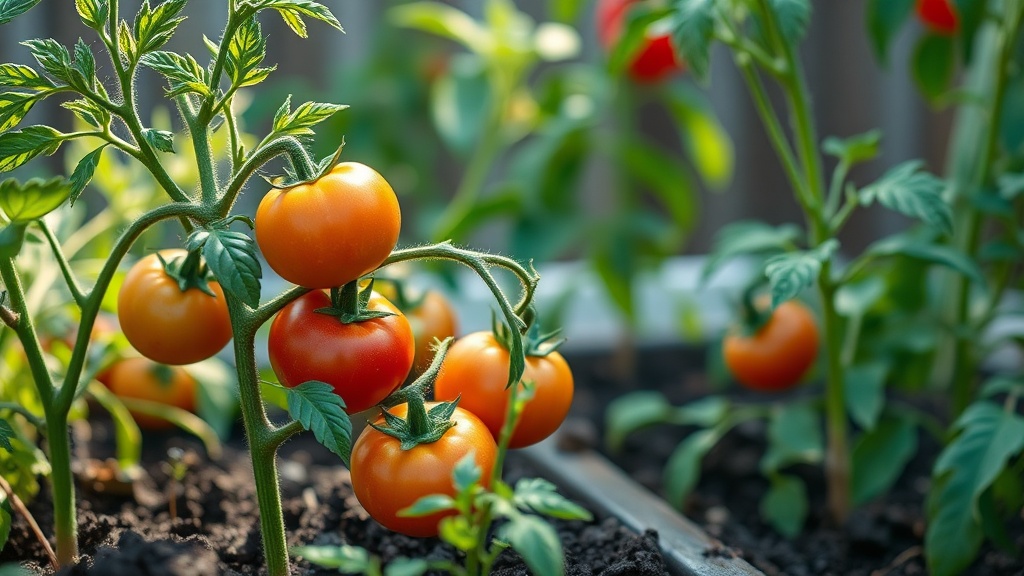
Why Do Some Tomato Plants Flourish While Others Struggle in the Same Garden Bed?

Have you ever stood in your garden scratching your head—watching one tomato plant explode with fruit while its neighbor, just two feet away, looks pale and pathetic? Same soil. Same sun. Same watering schedule. What gives? This frustrating scenario plays out in backyard gardens everywhere, and the answer isn't always about the basics you think you've nailed down.
Tomatoes are finicky characters. They'll reward you with basketfuls of sweet, sun-warmed fruit one season, then sulk through the next like a teenager asked to do chores. The difference between a bumper crop and a disappointing harvest often comes down to subtle factors most gardeners overlook—things that don't show up in those cheerful "plant and grow" diagrams on seed packets.
What Role Does Root Competition Play in Tomato Success?
Here's something they rarely mention in gardening books: tomatoes are surprisingly aggressive below the surface. Their root systems spread wide—often extending two to three feet in every direction—and they don't play nice with neighbors. When you plant tomatoes too close together (or too close to other heavy feeders like peppers or eggplant), you create an underground turf war for water and nutrients.
The winning plant isn't necessarily the strongest—it's usually the one that got established first. Early root development happens fast. Within the first two weeks after transplanting, tomato roots are already exploring their territory. If one plant had even a slight head start—a few days of better weather, less transplant shock, or a splash of fish emulsion at planting—its roots can dominate the available resources before the neighboring plant even knows what happened.
Spacing matters more than most gardeners realize. Sure, you know to give them room above ground, but consider what's happening below. For indeterminate varieties (the ones that keep growing all season), aim for three feet between plants minimum. Determinate types can manage with two feet, but they'll still produce more with extra breathing room. Think of it this way—would you rather have two crowded plants fighting for survival, or three well-spaced plants producing heavy yields?
Can Your Watering Habits Actually Harm Your Plants?
Inconsistent watering is the silent killer of tomato productivity—and it's painfully common. One week of diligent daily watering followed by a dry spell where you "let nature handle it" sends mixed signals. Tomatoes respond to stress by diverting energy away from fruit production and toward survival. The result? Blossom drop, cracked fruit, or that dreaded blossom end rot.
The trick isn't just frequency—it's depth. Shallow watering encourages shallow roots, which makes plants dependent on your schedule and vulnerable to heat waves. Instead, soak the soil deeply (we're talking 6-8 inches down) less often. Aim for twice weekly in normal conditions, maybe three times during peak summer heat. Your goal is to train those roots to chase moisture downward, creating a resilient plant that can weather dry spells.
Mulch is your ally here. A 2-3 inch layer of straw, shredded leaves, or wood chips around your plants (keep it slightly away from stems to prevent rot) regulates soil moisture and temperature. It cuts your watering needs significantly and prevents those dramatic swings that stress your plants. The University of Maryland Extension offers excellent guidance on choosing the right mulch for vegetable gardens.
Here's a practical test: stick your finger or a trowel into the soil near your plants. If it's moist at 6 inches but dry at the surface, you're doing it right. If the top inch is always damp, you're probably overdoing it—and possibly inviting fungal issues.
Why Do Early-Season Tomatoes Often Outproduce Late-Season Plantings?
Timing isn't everything in gardening—but it's close. Tomato plants set fruit when nighttime temperatures fall between 55-75°F. Once summer nights consistently stay above 75°F, many varieties struggle to set new fruit regardless of how healthy the plant looks. That lush July vine covered in flowers but bearing no new tomatoes? Blame the heat.
This biological quirk explains why spring-planted tomatoes often outperform summer plantings. Your early birds catch the cool nights of late spring and early summer, setting fruit continuously for weeks. Later plantings hit the ground running into hot nights and face an uphill battle. The solution isn't complicated: plant early, or plant heat-tolerant varieties for mid-summer succession.
Heat-tolerant varieties like Solar Fire, Arkansas Traveler, and Florasette have been bred specifically for sultry summers. They'll keep setting fruit when standard varieties give up. Clemson Cooperative Extension maintains a helpful list of heat-tolerant cultivars suited for southern gardens.
What About Those Pesky Nutritional Deficiencies?
Yellowing leaves, purple-tinged foliage, stunted growth—these are your plants' way of waving red flags. Tomatoes are heavy feeders, but they need the right balance, not just more fertilizer. Too much nitrogen produces leafy giants with few fruits. Too little calcium (or inconsistent watering that prevents calcium uptake) causes blossom end rot.
A soil test tells you what you're actually working with instead of guessing. Most county extension offices offer affordable testing, or you can use a home kit. Look for pH between 6.0-6.8—outside this range, nutrients become unavailable even if they're present in the soil. If your pH is off, amendments take time to work, so test early and adjust accordingly.
Foliar feeding—spraying diluted liquid fertilizer directly on leaves—can rescue struggling plants mid-season, but it's a supplement, not a replacement for healthy soil. Think of it as vitamins rather than dinner. For long-term productivity, focus on building soil organic matter through compost and cover crops.
Should You Prune Your Indeterminate Tomatoes—or Let Them Run Wild?
This question sparks heated debates among gardeners. The "suckers"—those shoots that sprout in the V between main stems and branches—will become full production branches if left alone. More branches mean more tomatoes, right? Well, sort of.
Unpruned plants produce more fruit overall, but the individual tomatoes tend to be smaller and ripen later. Pruned plants focus their energy on fewer, larger fruits that mature faster. In short growing seasons or small spaces, pruning makes sense. In long seasons with plenty of room, letting plants bush out often yields higher total harvests.
There's no universal right answer—your climate, space, and preferences matter. Just don't go crazy. Removing all suckers on indeterminate varieties stresses the plant and reduces yield. Most gardeners find a middle ground: removing lower suckers for airflow and leaving upper growth alone. The Old Farmer's Almanac provides detailed pruning guidance for different tomato types.
One non-negotiable: remove any foliage touching the ground. Soil-borne diseases splash upward during rain or watering, and lower leaves are the first victims. Staking or caging keeps plants upright and improves air circulation, which helps prevent the fungal diseases that plague tomato growers.
The best gardeners aren't the ones who never have problems—they're the ones who notice problems early and respond thoughtfully. A yellow leaf spotted Tuesday becomes a minor issue fixed Wednesday, not a plant-destroying epidemic discovered Saturday.
So next time you're comparing your tomato plants, look beyond the obvious. Check the spacing—are roots competing? Review your watering—deep and consistent or sporadic and shallow? Consider the timing—did you plant when nights were cool enough for fruit set? These invisible factors separate the productive plants from the disappointing ones.
Gardening is observation plus response. The more you notice, the better your results. Your tomatoes are telling you what they need—you just have to learn their language.