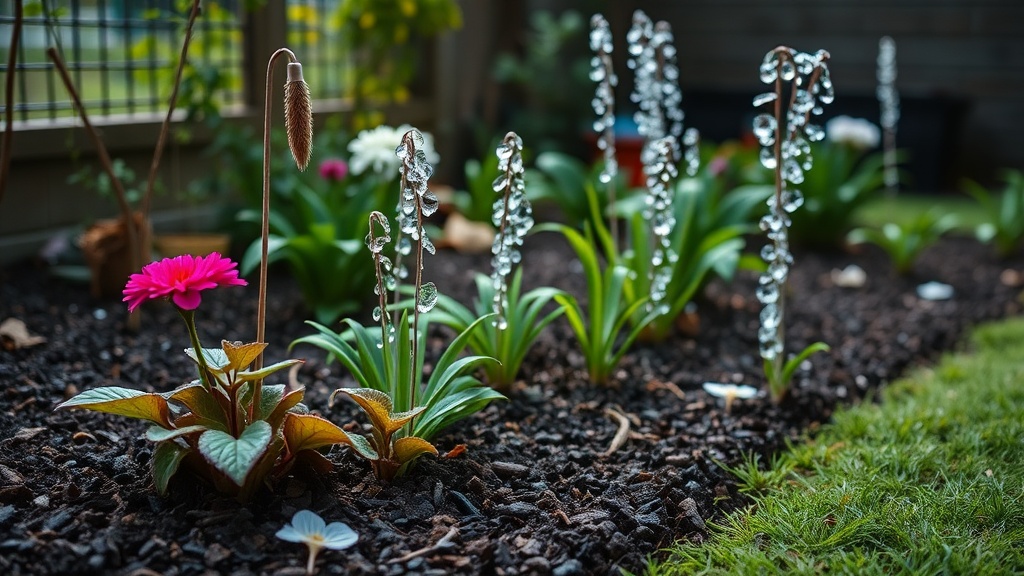
What Is a Rain Garden and Why Should You Build One This Season?

What Exactly Is a Rain Garden?
Have you ever watched rainwater pour off your roof, cascade down the driveway, and disappear into a storm drain—taking topsoil, fertilizers, and lawn chemicals with it? A rain garden offers a smarter solution. It's a shallow depression planted with native grasses, wildflowers, and shrubs that captures runoff from impervious surfaces like roofs, driveways, and walkways. Rather than letting water escape, a rain garden holds it temporarily—allowing it to soak naturally into the ground while the plants filter out pollutants.
Think of it as a functional landscape feature that works while you sleep. During a typical downpour, a rain garden can absorb 30% more water than a conventional lawn. The concept isn't new—civil engineers have used similar bio-retention techniques for decades—but homeowners are catching on fast. You don't need a massive yard, either. Even a modest 100-square-foot rain garden can handle runoff from a modest roof section.
The best part? You're not sacrificing aesthetics for function. When planted thoughtfully, rain gardens bloom with color from spring through fall. They attract butterflies, bees, and birds you'd never see hovering over a plain grass lawn. And unlike a water-hungry flower bed, they thrive on neglect once established—no sprinkler system required.
Where Should You Put a Rain Garden in Your Yard?
Location makes or breaks a rain garden's success. You'll want to intercept water where it naturally flows—usually at the base of a downspout, along a sloped driveway, or at the low point where your yard collects puddles. But here's the catch: you can't just dig anywhere.
Keep your rain garden at least 10 feet away from your home's foundation. Water-loving plants are great, but you don't want to invite moisture problems into your basement. Avoid placing it directly over septic systems or underground utilities—call 811 before you dig to locate buried lines. And steer clear of existing trees; their root systems don't appreciate the soil disturbance that comes with excavation.
Sunlight matters, too. Most rain garden plants need at least six hours of direct sun daily to perform well. If your only available spot sits in deep shade, you'll need to adjust your plant selection accordingly—ferns, sedges, and woodland wildflowers can work, but your garden won't handle as much water volume as a sun-drenched version.
Test your soil before committing to a location. Dig a hole about 12 inches deep and fill it with water. If it drains within 24 hours, you've found a suitable spot. If water lingers longer, you've hit clay or compacted soil that needs amendment—or you might need to choose a different area entirely. Some homeowners install an underdrain system (a perforated pipe buried in gravel) for sluggish soils, though that adds complexity and cost.
What Plants Work Best in a Rain Garden?
This is where regional knowledge pays off. Rain gardens work best with native plants adapted to your local climate's wet-dry cycles. These species have evolved to handle periodic flooding followed by dry spells—conditions that would kill most conventional ornamentals.
For the lowest, wettest zone (the "basin"), consider plants that tolerate standing water for short periods. In the Midwest and Northeast, swamp milkweed, blue flag iris, and soft rush work beautifully. Southern gardeners might choose pickerelweed or cardinal flower. Western regions with Mediterranean climates can use California gray rush or western columbine. The key is matching plants to your specific hardiness zone.
The sloped sides of your rain garden—the "berm"—stay drier and need plants that prefer average soil moisture. Black-eyed Susans, purple coneflowers, and little bluestem grass are workhorses here. They'll handle occasional saturation after heavy rains but won't sulk during dry weeks.
Don't forget structural variety. Mix heights, textures, and bloom times for year-round interest. A rain garden that flowers in June then looks like a weedy mess by August defeats the purpose. Include some evergreen sedges or ornamental grasses to maintain visual appeal through winter. And always plant in drifts—clusters of three to five specimens rather than spotty individual plants. Nature doesn't do polka dots, and your rain garden shouldn't either.
Avoid invasive species at all costs. Plants like purple loosestrife or Japanese knotweed might seem attractive, but they'll escape your garden and wreak havoc on local ecosystems. Check your state's invasive species list before purchasing anything. Local native plant societies and extension offices offer excellent free resources for appropriate selections.
How Do You Build a Rain Garden Step by Step?
Start with a detailed plan. Sketch your yard's layout, marking downspouts, slopes, and existing features. Calculate the drainage area feeding into your garden—a rain garden should be roughly 20% the size of the surface draining into it. If your roof section measures 500 square feet, your garden needs about 100 square feet of surface area.
Next, outline the shape. Rain gardens look natural when curved rather than rectangular—think kidney bean or crescent shapes. Use a garden hose or spray paint to mark boundaries. Then comes the digging: excavate 4-8 inches deep in the center, creating a shallow bowl. Pile the removed soil around the downhill edge to form a berm that contains water during heavy storms.
Soil amendment comes next. Most residential yards have compacted soil from construction. Mix in compost—about 2-3 inches tilled into the existing soil—to improve drainage and give plants a healthy start. If your native soil is heavy clay, consider adding coarse sand (not play sand, which is too fine) to improve percolation rates.
Install your plants, placing the most water-tolerant species in the deepest section and drought-tolerant varieties on the berm. Space them according to mature size—overcrowding leads to maintenance headaches later. Water thoroughly after planting, then mulch with 2-3 inches of shredded hardwood. Shredded mulch interlocks and won't float away during the first heavy rain like chunk bark tends to do.
The first growing season requires regular watering—weekly if rainfall doesn't provide at least an inch. After that, native plants should establish deep root systems and fend for themselves. Weed diligently the first year; young rain garden plants can't compete with aggressive invaders. By year three, your garden should form a dense mat that suppresses weeds naturally.
What Maintenance Does a Rain Garden Need Long-Term?
Established rain gardens are refreshingly low-maintenance, but "low" doesn't mean "zero." You'll need to remove accumulated sediment and debris—leaves, twigs, trash—that washes in from surrounding areas. Check inlet points (where water enters) quarterly and clear any blockages. A clogged inlet defeats the entire purpose.
Inspect the berm annually for erosion or settlement. Heavy rains can wash away soil, creating low spots where water escapes prematurely. Top-dress with fresh soil and compact gently to restore the original grade. Replace mulch every 2-3 years as it decomposes—bare soil invites weeds and reduces the garden's pollutant-filtering capacity.
Pruning and deadheading keep plants looking tidy, though strict manicuring isn't necessary. Let seed heads stand through winter—they feed birds and add visual interest during dormant months. Cut back herbaceous growth in late winter or early spring before new growth emerges. Divide overcrowded perennials every few years to maintain vigor and prevent center die-out.
Watch for signs of poor drainage. If water stands longer than 48 hours after rain, your soil may have compacted or your underdrain (if installed) might be clogged. Address problems promptly—stagnant water breeds mosquitoes and can kill water-sensitive plants. Occasionally, you might need to regrade or add soil amendments to restore proper function.
Keep an eye out for invasive weeds and non-native escapees. Even well-meaning neighbors can introduce problems through seed dispersal. Aggressive spreaders like creeping Charlie or nutsedge require persistent removal before they choke out your carefully chosen natives. A few minutes of weeding every couple weeks prevents major headaches down the road.
Building a rain garden represents one of those rare home improvements that pays dividends on multiple fronts. Your basement stays drier. Local waterways stay cleaner. Pollinators find refuge in increasingly fragmented urban environments. And you get a vibrant, living landscape feature that changes with the seasons—no fertilizer, no mowing, no guilt.