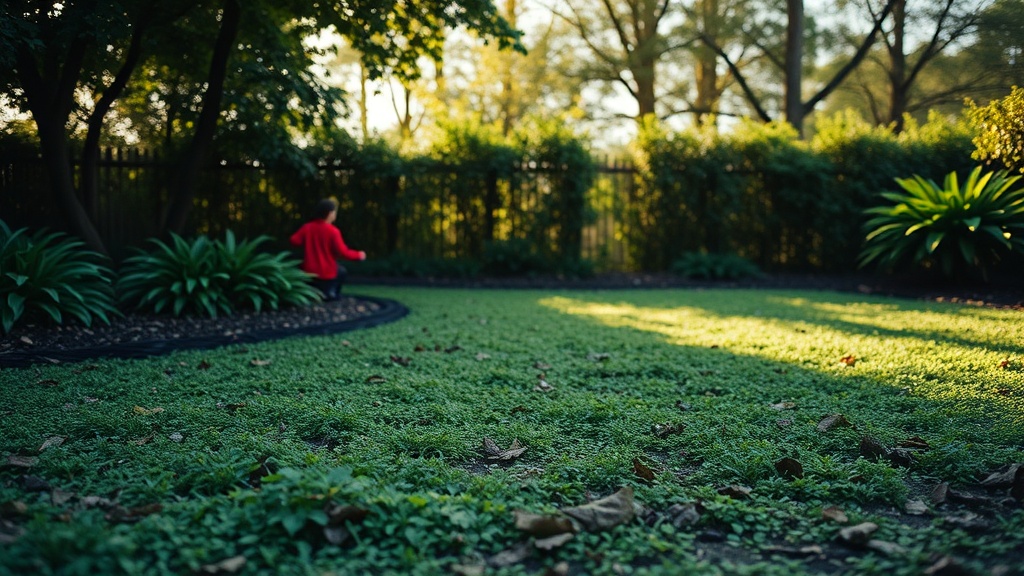
What Are the Best Ground Covers for Shady Corners?

What Can You Plant Where Grass Simply Won't Grow?
Every yard has them—those stubborn patches beneath mature trees, along north-facing fences, or tucked behind sheds where grass struggles to survive. The soil stays damp, sunlight barely filters through, and your lawn looks patchy no matter what you try. This guide covers eight reliable ground cover plants that actually want to grow in these challenging spots. You'll learn which varieties spread quickly, how to prepare the soil, and what maintenance looks like once they're established.
Choosing the right ground cover isn't just about aesthetics—though the transformation can be dramatic. Dense plantings suppress weeds, reduce erosion, and create habitat for beneficial insects. Best of all, once established, these plants require far less water and mowing than traditional turf. Let's look at options that work for different conditions and aesthetics.
Which Ground Covers Handle Deep Shade Best?
Some corners receive almost no direct sunlight—maybe an hour or two of dappled light at most. For these challenging areas, you need plants specifically adapted to forest-floor conditions.
Hostas are the classic choice for good reason. With thousands of cultivars ranging from tiny six-inch mounds to massive three-foot specimens, there's a hosta for every scale. The thick, textured leaves create a lush, tropical feel, and many varieties offer striking variegation in shades of blue, green, gold, and white. In mid-summer, they send up flower spikes that hummingbirds adore. The key to success: amend clay soil generously with compost, and give them consistent moisture their first year.
Pachysandra terminalis (Japanese spurge) forms a dense, evergreen carpet that stays under six inches tall. It's the workhorse of commercial landscaping for a reason—once established, it spreads steadily via underground runners and chokes out most weeds. The glossy, dark green leaves provide year-round structure, and in early spring, it produces small white flowers. Note that pachysandra spreads aggressively in ideal conditions, so install edging if you're concerned about it creeping into garden beds.
Lamium maculatum (dead nettle) offers something most shade plants don't: extended bloom time. From spring through fall, this low-growing spreader produces small, hooded flowers in pink, purple, or white. The silver-variegated foliage brightens dark corners considerably. It's particularly effective cascading over walls or spreading between stepping stones. Unlike some ground covers, lamium tolerates dry shade once established—making it perfect for areas under mature trees with extensive root systems.
What About Part Shade with Occasional Sun?
Many shady corners aren't completely dark—they receive morning sun or filtered light throughout the day. These conditions open up additional possibilities.
Ajuga reptans (bugleweed) thrives in part shade and rewards you with stunning foliage color. The 'Catlin's Giant' variety features large, bronze-purple leaves that create dramatic contrast with green surroundings. In spring, spikes of blue-purple flowers rise above the foliage, attracting early pollinators. Ajuga spreads via above-ground stolons (runners), rooting as it goes. It's perfect for filling gaps between pavers or carpeting sloped areas where erosion is a concern. One caveat: ajuga can be susceptible to crown rot in poorly drained soil, so ensure the site doesn't stay soggy.
Heuchera (coral bells) have undergone a revolution in breeding over the past two decades. Modern varieties offer foliage in virtually every color except true blue—lime green, deep purple, caramel, amber, and silvery pewter. While heuchera forms clumps rather than spreading mats, planting them densely creates effective ground coverage with far more visual interest than a monoculture. They produce delicate flower stalks in late spring, though most gardeners grow them primarily for the foliage. Heuchera prefers well-draining soil and will rot in heavy clay that stays wet.
Vinca minor (periwinkle) is perhaps the fastest-spreading option for part-shade conditions. This evergreen vine hugs the ground, rooting as it creeps outward. The glossy, dark green leaves form a dense mat, and in spring, it's covered with five-petaled flowers in blue, purple, or white. Vinca is particularly useful on slopes where its mat-forming habit helps prevent erosion. However—be aware that it's considered invasive in some regions, including parts of the Pacific Northwest and Northeast. Check local guidelines before planting.
How Do You Prepare the Soil Before Planting?
Shade often correlates with problem soil. Areas under trees may have compacted earth, depleted nutrients, or extensive root competition. Taking time to prepare the site properly dramatically improves establishment speed and long-term health.
Start by clearing existing vegetation. For small areas, hand-digging works well. For larger spaces, sheet mulching—layering cardboard topped with several inches of compost and wood chips—smothers existing grass and weeds without the backbreaking labor. Leave sheet mulch in place for 6-8 weeks before planting through it.
Amend the soil with organic matter. Most shade-loving ground covers prefer rich, loamy soil that retains moisture without staying waterlogged. Spread 2-3 inches of compost over the area and work it into the top 6 inches of soil. If you're planting under mature trees, be careful not to damage existing roots—use a digging fork rather than a shovel to loosen soil gently.
Address drainage issues before planting. Many ground covers fail not from too much shade, but from standing water. If water pools in your shady area after rain, consider creating a subtle swale to redirect water, or choose moisture-tolerant species like Ligularia or Astilbe instead.
What's the Maintenance Reality?
The promise of low-maintenance ground cover is mostly true—once established. But those first two years require attention and patience.
Water consistently during establishment. Even drought-tolerant species need regular moisture while their root systems develop. Aim for the equivalent of 1 inch of rainfall weekly, either from nature or your hose. Deep, infrequent watering encourages deeper root growth than frequent shallow sprinkling.
Weed vigilantly in year one. Young ground cover plantings leave soil exposed, and weeds will colonize quickly. Hand-pull or carefully spot-treat invaders before they set seed. Once your ground cover fills in—typically by the second growing season—it will suppress most weeds naturally.
Refresh mulch annually. A 2-inch layer of shredded bark or leaf mold conserves moisture, moderates soil temperature, and gradually improves soil structure as it decomposes. Keep mulch pulled back slightly from plant crowns to prevent rot.
Most ground covers benefit from a light feeding in early spring. A balanced, slow-release organic fertilizer applied according to package directions provides nutrients without stimulating excessive, floppy growth. Avoid high-nitrogen fertilizers, which can promote lush foliage at the expense of establishment and winter hardiness.
Can You Mix Different Ground Covers?
Absolutely—and the results are often more interesting than monoculture plantings. The key is matching plants with similar growth rates and cultural needs.
Try combining a spreading ground cover like ajuga with clump-forming heucheras. The ajuga fills gaps quickly while the heucheras provide vertical accents and seasonal color variation. Or pair spring-blooming pachysandra with summer-flowering hostas for extended seasonal interest.
For areas with varying light conditions—perhaps morning sun transitioning to afternoon shade—create a gradient planting. Sun-tolerant sedums handle the bright spots, transitioning to heuchera in the middle zone, finishing with hostas or ferns in the deepest shade. This approach looks natural and allows each plant to thrive in its preferred conditions.
"The best ground cover is the one that wants to grow in your specific conditions. Work with your site's natural tendencies rather than fighting them."
Consider seasonal layers too. Spring ephemerals like Virginia bluebells (Mertensia virginica) emerge, bloom, and go dormant before trees fully leaf out—perfect for planting among later-emerging hostas that fill the space as bluebells retreat underground. This layering maximizes seasonal interest while minimizing bare soil exposure.
What Should You Avoid in Shady Ground Covers?
Not every plant marketed as "shade-tolerant" belongs in residential landscapes. Some spread too aggressively; others become maintenance headaches over time.
English ivy (Hedera helix) tops the list of plants to reconsider. Yes, it grows in deep shade. Yes, it spreads reliably. But it's also invasive throughout much of the United States, climbing trees and smothering native understory plants. Once established, it's notoriously difficult to eradicate. Choose native alternatives like Asarum canadense (wild ginger) or Phlox stolonifera (creeping phlox) instead.
Avoid planting ground covers too densely. It's tempting to space plants closely for instant coverage, but overcrowded plantings compete for water and nutrients, leading to disease problems and poor long-term performance. Follow spacing recommendations on plant tags—even if the area looks sparse initially.
Don't ignore the mature size of trees and shrubs overhead. A ground cover that thrives under a young maple may struggle once that tree's canopy expands. Choose adaptable species or plan to transition plantings as your landscape matures.
Ready to Transform Your Shady Spots?
Converting problem shade areas from patchy dirt to lush ground cover takes planning, patience, and the right plant selection—but the payoff lasts for years. Start small with a test section, observe how plants perform through a full growing season, then expand successful combinations to larger areas. Your future self—and your back—will thank you every time you walk past that formerly troublesome corner and see green thriving where grass once failed.