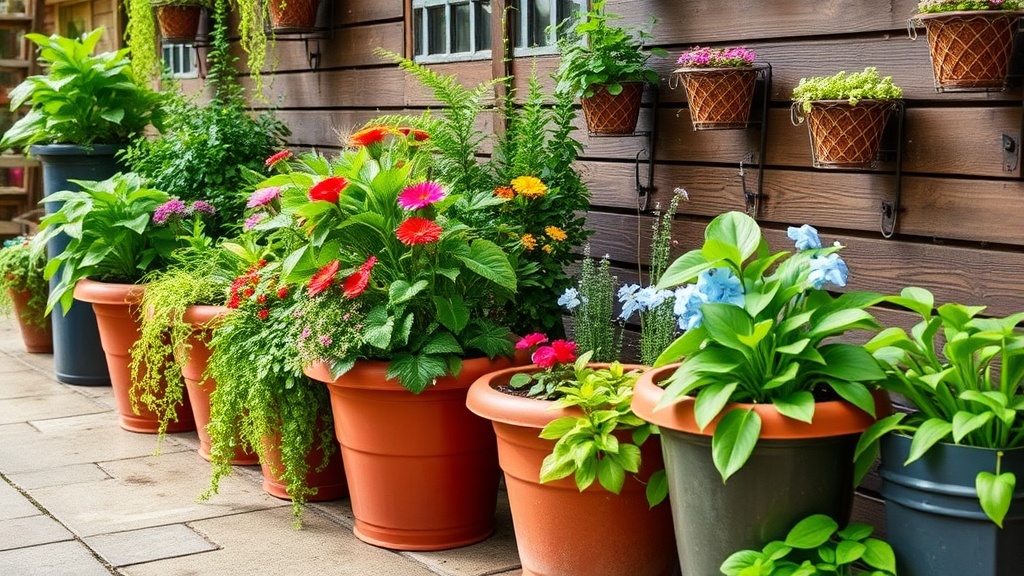
The Ultimate Guide to Thriving Container Gardens in Small Spaces

This guide breaks down everything needed to grow vibrant vegetables, herbs, and flowers in containers—even when square footage is tight. Whether working with a compact balcony in Midtown Detroit, a narrow patio, or just a sunny windowsill, container gardening offers flexibility without the commitment of an in-ground plot. Here's how to select the right pots, choose plants that cooperate in confined spaces, and keep everything thriving from spring through fall.
What Containers Work Best for Small-Space Gardening?
Ceramic, plastic, fabric, and metal each bring trade-offs to the table. Terra cotta breathes well but dries out fast in summer heat—fine for Mediterranean herbs, less ideal for thirsty tomatoes. Plastic pots (look for the Bloem Saturn series) retain moisture longer and weigh less, making them perfect for renters who rearrange outdoor spaces frequently.
The catch? Size matters more than material. A single determinate tomato needs at least 5 gallons of soil. Peppers manage in 3-gallon containers. Leafy greens? Shallow roots mean 6-inch depth suffices. Here's the thing—bigger containers actually make life easier. They hold moisture longer and resist temperature swings that stress roots.
Drainage holes are non-negotiable. Without them, roots suffocate. If a favorite decorative pot lacks holes, drill them—or use it as a cachepot, nesting a nursery pot inside.
Fabric Grow Bags: Worth the Hype?
Absolutely—for certain situations. The Root Pouch line (made from recycled plastic bottles) air-prunes roots naturally, preventing the circling that stunts plants in rigid pots. They're cheap, fold flat for winter storage, and come in sizes up to 100 gallons. Worth noting: fabric dries out faster than plastic, so daily watering checks become necessary in July heat.
Which Plants Thrive in Containers?
Nearly anything grows in a pot given adequate space and care—but some vegetables and herbs genuinely excel in confined quarters. Compact or "bush" varieties bred specifically for containers outperform standard types in limited soil volumes.
| Plant Type | Best Container Varieties | Minimum Pot Size | Sun Needs |
|---|---|---|---|
| Tomatoes | Bush Early Girl, Patio Princess, Tiny Tim | 5 gallons | 6-8 hours |
| Peppers | Lunchbox Red, Cajun Belle, Sweet Pickle | 3 gallons | 6+ hours |
| Leafy Greens | Space Spinach, Tom Thumb Lettuce | 6 inches deep | 3-4 hours |
| Herbs | Genovese Basil, Greek Oregano, French Tarragon | 8-10 inches | 4-6 hours |
| Bush Beans | Mascotte,container Blue Lake | 2 gallons | 6+ hours |
Root vegetables demand depth. Radishes and round carrots ('Parisian') work in 8-inch containers. Standard carrots need 12 inches minimum—skip them if working with shallow window boxes.
That said, avoid pairing aggressive spreaders like mint with slower-growing neighbors. Mint deserves its own pot (or it'll take over). Thyme, oregano, and rosemary coexist peacefully—they share drought tolerance and won't compete ruthlessly for space.
How Do You Keep Container Plants Alive?
Containers demand more attention than in-ground gardens. Soil dries faster. Nutrients leach out with every watering. Root systems can't expand outward seeking resources—they depend entirely on what's provided.
Watering Rhythm
Check soil moisture daily. Stick a finger two inches down—dry at that depth means water immediately. Early morning watering reduces evaporation loss and keeps foliage dry (wet leaves overnight invite disease). In peak summer, large containers may need water twice daily.
Self-watering containers like the Gardener's Supply Self-Watering Patio Planter extend the margin for error. A reservoir beneath the soil wicks moisture upward as roots need it—helpful for weekend trips or inconsistent schedules.
Feeding Your Plants
Potting mix isn't soil—it's a soilless blend (usually peat, coconut coir, perlite, and compost). It contains zero nutrients. Start feeding two weeks after planting.
Liquid fertilizers like Alaska Fish Fertilizer (5-1-1 NPK) work fast but require every-two-week applications. Slow-release granules (Osmocote 14-14-14) mixed into potting mix at planting time provide baseline nutrition for months. Many container gardeners combine both—granules for steady baseline feeding, liquid for mid-season boosts when plants hit their productive stride.
"Container plants are essentially on life support—the pot is their entire world. Neglect watering or feeding for even a few days in August heat, and you'll watch months of progress wilt before lunch."
Soil Matters More Than You Think
Never use garden soil in containers. It's too heavy, compacts in pots, and may carry diseases or weed seeds. Invest in quality potting mix—Miracle-Gro Potting Mix or FoxFarm Ocean Forest are widely available standards. For edibles, look for OMRI-listed organic blends if avoiding synthetic inputs matters.
Additives help. Perlite improves drainage in wet climates. Vermiculite retains moisture in dry ones. A handful of compost provides biology and micronutrients standard fertilizers miss.
Can You Grow Food Indoors Year-Round?
Yes—with qualifications. Leafy greens, herbs, and compact tomatoes produce indoors under sufficient light. A sunny south-facing window might suffice in winter for herbs. For serious production, LED grow lights become necessary.
Full-spectrum LEDs (Barrina or Monios-L T5 fixtures) positioned 6-12 inches above foliage deliver the intensity vegetables crave. Herbs manage with 6 hours of artificial light. Fruiting plants need 14-16 hours daily to set tomatoes or peppers indoors.
That said, indoor container gardening brings challenges. Pollination requires manual assistance—gently shake tomato flowers or use a small brush to transfer pollen. Humidity drops indoors in winter; pebble trays beneath pots or occasional misting prevent crispy leaf edges. Pest pressure shifts—spider mites and fungus gnats replace outdoor caterpillars and beetles.
Designing Your Small-Space Layout
Vertical space transforms tight quarters. Wall-mounted planters, railing boxes, and tiered plant stands multiply growing area without consuming floor space. The 3D Innovations Vertical Garden Wall Planter mounts to fences or balcony rails, creating herb walls that double as privacy screens.
Group plants by water needs. Thirsty tomatoes and cucumbers cluster together. Mediterranean herbs (lavender, rosemary, sage) share drier corners. This prevents the common mistake of overwatering drought-tolerant plants while trying to satisfy hungry neighbors.
Consider weight. A saturated 5-gallon container exceeds 40 pounds. Balcony gardeners must verify load limits—consult building management if uncertain. improved containers on casters solve mobility problems and reduce bending (knees appreciate this by August).
Detroit-Specific Considerations
Michigan's growing season runs roughly May through October, but container soils warm faster than ground beds—allowing earlier planting. Detroit's hardiness zone (6b) supports a wide vegetable palette. Eastern Market vendors sell seedlings adapted to local conditions; starting with these transplants skips the tricky seedling stage for beginners.
Frost protection extends the season. Old bedsheets or frost blankets draped over containers on chilly nights protect tender basil or late tomatoes when October surprises strike. Move smaller pots into garages or against south-facing walls during cold snaps.
Troubleshooting Common Container Problems
Yellow leaves usually signal overwatering or nutrient deficiency—check soil moisture before adding fertilizer. Wilting despite wet soil indicates root rot (improve drainage immediately). Leggy, stretched growth means insufficient light.
Pests happen. Aphids cluster on new growth—blast them off with water or apply insecticidal soap. Japanese beetles (common in Detroit-area gardens) hand-pick easily from container plants. Neem oil handles most soft-bodied insects organically, though it requires reapplication after rain.
Here's the thing about container gardening failures—they're rarely fatal. A struggling plant gets repotted, relocated, or replaced without major investment. That's the beauty of growing in pots. You learn fast, adapt quickly, and build skills that transfer to larger spaces when they become available.
Start with one container. A single pot of basil on the windowsill. A cherry tomato in a 5-gallon bucket on the balcony. Success breeds enthusiasm—and before long, that small space overflows with homegrown flavor you nurtured yourself.