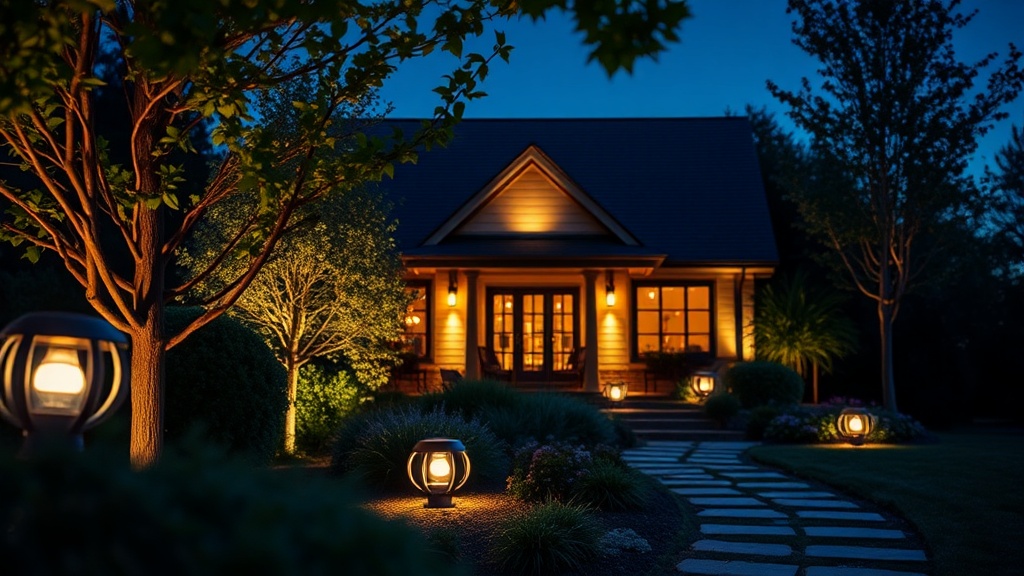
Smart Ways to Upgrade Your Outdoor Lighting Setup

Why your backyard lighting matters more than you think
Imagine walking into your backyard after a long day, only to find the space feels dark, uninviting, and perhaps a bit disconnected from the house. You've spent months getting the patio furniture just right, but the lack of light makes the area feel like a shadow rather than an extension of your living room. Lighting isn't just about safety or seeing where you're walking; it's about defining the mood and making the outdoor space feel lived-in. A well-placed light can turn a blank concrete slab into a cozy lounge area or a bright garden path into a safe, welcoming entrance.
Whether you're hosting a small dinner party or just want a spot to read a book under the stars, the right setup changes everything. Most people make the mistake of buying one bright floodlight and calling it a day—which usually results in a harsh, hospital-like glare. Instead, you want to layer your light sources to create depth and warmth. This post covers several ways to rethink your current setup, from subtle path lights to bold accent pieces.
Can string lights transform a patio area?
String lights—often called bistro or cafe lights—are the quickest way to add a sense of charm to a deck or patio. They aren't just for holidays; they provide a soft, diffused glow that makes outdoor dining feel much more intentional. However, don't just hang them in a straight line. To get the best look, try a way-up or a zigzag pattern across your seating area. This creates a "ceiling" of light that makes the space feel enclosed and intimate.
When selecting lights, look for weather-resistant options with a high IP rating. You don't want to be replacing them every time a storm rolls through. LED bulbs are the way to go because they stay cool to the touch—a big plus if you have low-hanging wires near your head—and they use very little electricity. If you're looking for high-quality outdoor lighting components, the Home Depot website offers a wide range of commercial-grade strands that can withstand more intense weather than the cheap ones found at big-box discount stores.
- Warm White vs. Cool White: Stick to warm white (around 2700K) for a cozy, inviting vibe. Cool white can feel a bit too clinical for a backyard.
- Placement: Hang them slightly higher than eye level to avoid glare, but low enough to feel connected to the furniture.
- Power Source: Consider whether you want to deal with an extension cord or if a solar-powered option fits your layout better.
How do you light up garden paths safely?
Safety is the primary reason to use path lighting, but it shouldn't look like a runway at an airport. You want enough light to see the edges of your walkway without ruining the nighttime ambiance. Low-voltage LED path lights are perfect for this. They sit low to the ground and cast a gentle glow that guides the way. This is especially important if you have uneven stone paths or steps that might be a tripping hazard in the dark.
One trick I've found useful is to place lights slightly off the center of the path rather than directly on it. This prevents the light from shining directly into your eyes when you're walking. If you want to get more technical, look into the Lowe's outdoor lighting section for smart-control path lights that can be programmed to turn on at dusk and off at a specific time. This ensures your path is always lit when you need it, without you having to remember to flip a switch.
Consider these three types of path lighting:
| Light Type | Best Use Case | Vibe |
|---|---|---|
| Spike Lights | Highlighting specific plants or edges | Structured/Formal |
| Solar Path Lights | Budget-friendly, no wiring needed | Casual/Rustic |
| Lanterns | Placing on stepping stones or walls | Whimsical/Cozy |
Is it better to use solar or wired lighting?
This is the age-old debate in the gardening community. Solar lights are incredibly easy to install—you literally just stick them in the dirt—and they don't require any electrical work. They are perfect for beginners or people who rent. However, they can be hit-or-miss depending on how much sun your yard gets during the day. If your garden is heavily shaded, solar lights might stay dim or not turn on at all.
<Wired, low-voltage systems are more reliable and offer much more control over brightness and placement. They require a transformer and some digging, which is a bit more work, but the consistency is unmatched. If you're building a permanent outdoor living space, investing in a wired system is usually the smarter long-term move. You can use a timer to ensure your lights aren't running all night, which helps save energy and prevents light pollution.
If you decide to go the solar route, make sure you aren't just buying the cheapest plastic models. The higher-quality ones with metal housings will last much longer and provide a more consistent light output. A good rule of thumb is to check the battery capacity and the expected runtime before you buy. You don't want your lights to die by 9:00 PM every single night.
Ways to add accent lighting to trees
One of my favorite ways to add depth to a yard is through "uplighting." Instead of just lighting the ground, aim light upward into the canopy of a tree. This creates dramatic shadows and makes the yard feel much larger than it actually is. You can use small spotlights at the base of the trunk to highlight the texture of the bark and the shape of the branches. It adds a layer of sophistication that standard path lights just can't match.
For a more subtle approach, you can wrap fairy lights around the trunk of a smaller tree or a shrub. This adds a magical, glowing effect that works beautifully in the spring and summer. Just be careful not to wrap them too tightly, as you don't want to damage the bark or restrict growth as the plant expands. It's a simple way to turn a standard tree into a focal point of your backyard design.