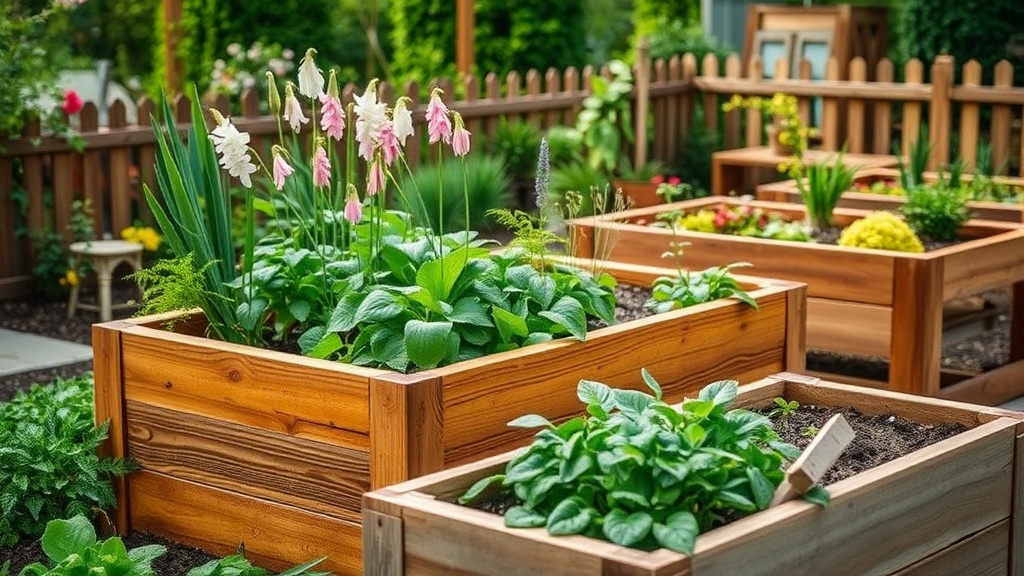
Selecting the Right Raised Bed Materials for Your Backyard

A backyard garden project often starts with a single bag of soil and a dream. But before you even touch the dirt, you have to decide what's going to hold it. The material you choose impacts how much work you'll do in the future. A cheap kit might look great on day one, but if it starts warping or rotting by year three, you've just wasted your time and money. We're looking at durability, cost, and how these materials interact with the earth.
Which Material Is Best for Vegetable Gardens?
If your goal is growing food, you have to think about safety and longevity. Many people worry about chemicals leaching into their soil. While most modern garden products are safe, it's smart to be picky. Cedar is a heavy hitter here. It's naturally resistant to rot and insects—no chemical treatments needed—making it a top choice for edible gardens. It's more expensive than pine, but it won't fall apart after two wet winters.
Steel is another popular option, especially the galvanized variety. It's incredibly durable and holds heat well, which can be a benefit in cooler climates. However, you want to make sure you're using food-grade materials. Metal beds often look sleek and modern, fitting well in smaller urban backyards where space is at a premium. If you want something that looks high-end and stays functional for a decade, steel is a solid bet.
For those on a tight budget, untreated pine is an option, but don't expect much. It's a short-term solution. You'll likely be rebuilding those beds in a few years. If you're going the pine route, keep an eye on the moisture levels. A thick layer of landscape fabric at the bottom can help, but it's not a magic fix for rotting wood.
Does the Material Affect Soil Temperature?
This is a detail most people overlook until their plants start struggling. Different materials absorb and hold heat differently. Darker materials, like certain metal beds or dark-stained wood, will heat up much faster under the sun. This can be a massive advantage during the early spring, allowing you to start planting earlier in the season. However, in the peak of a hot July, that same heat might stress your plants if they aren't properly watered.
Concrete or stone beds act as thermal masses. They hold heat long after the sun goes down. This is great for extending your growing season in the fall, but it can also lead to overheating in desert or high-heat environments. If you're building something permanent with stone or brick, you're making a long-term investment in your garden's microclimate. It's a heavy-duty choice that changes the very structure of your backyard.
Plastic or composite materials are also on the market. These are often lightweight and easy to move around, which is handy if you're someone who likes to rearrange their garden every season. Just be aware that some plastics can degrade under intense UV rays, becoming brittle over time. It's worth checking the UV rating before you commit to a large purchase.
What Is the Most Cost-Effective Way to Build Raised Beds?
Cost isn't just about the price tag at the store; it's about the cost over time. If you buy a cheap kit today, but have to replace it in two years, you've actually spent more than if you'd bought a high-quality bed upfront. To get the most bang for your buck, consider building your own rather than buying a pre-made kit. It gives you more control over the dimensions and the quality of the wood.
| Material | Lifespan | Cost Level | Best Use Case |
|---|---|---|---|
| Cedar Wood | 10-15 Years | High | Vegetables & Perennials |
| Galvanized Steel | 20+ Years | Medium-High | Modern Backyard Design |
| Pine Wood | 2-4 Years | Low | Temporary Garden Plots |
| Composite/Plastic | 5-10 Years | Medium | \로 Low-Maintenance Areas
When building with wood, always look for 'ground contact' rated lumber. This ensures the wood can handle the constant moisture from the soil. For more detailed advice on soil safety and garden construction, check out the Old Farmer's Almanac or look into local building codes if you're planning something much larger. It's a good habit to research the specific properties of any material you're placing near your food.
One thing to keep in mind is the height of the bed. Taller beds are easier on your back, but they require much more soil to fill. If you're building a 24-inch deep bed, you're going to need a lot of organic matter. A common trick is to use the 'Hugelkultur' method—filling the bottom of the bed with old logs and branches—to save money on expensive potting soil. This adds organic matter as the wood breaks down over time.
Don't forget about drainage. No matter what material you choose, your plants need water to move through the soil and out the bottom. If you're using a solid container or a metal tray, ensure there are plenty of holes. Without proper drainage, you'll end up with a swamp instead of a garden, and your roots will rot before the season is even halfway through. A well-drained bed is a happy bed.