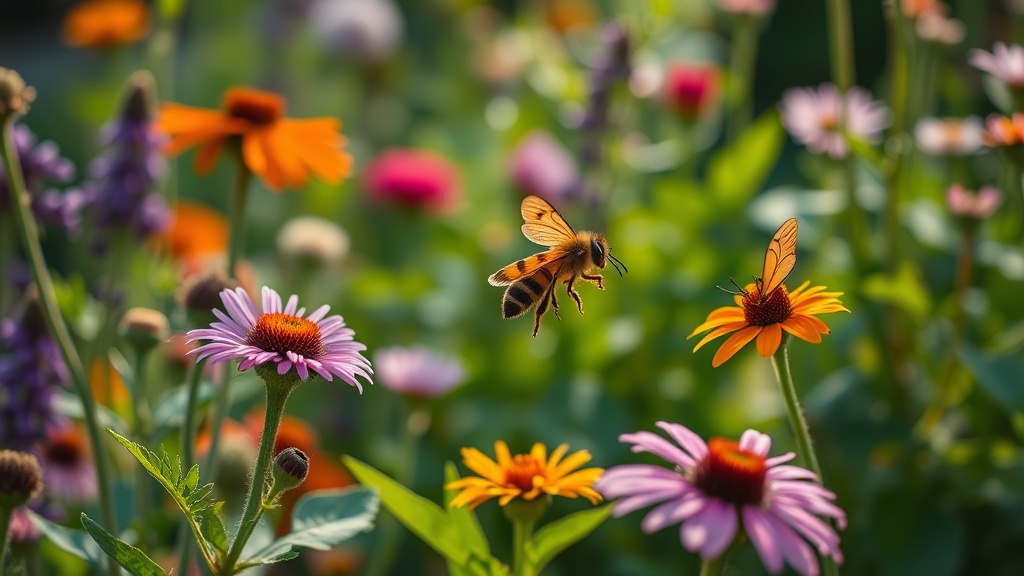
How to Design a Pollinator-Friendly Garden in a Small Space

Why Do Pollinators Matter for Your Backyard?
Bees, butterflies, and hummingbirds do far more than add charm to your outdoor space—they're the invisible workforce that keeps your garden productive. Without these creatures flitting from bloom to bloom, your tomato plants wouldn't set fruit, your squash vines would wither, and your flower beds would look disappointingly sparse. Yet many homeowners assume you need acres of wildflowers to make a difference. That couldn't be further from the truth. Even a modest patio, a narrow side yard, or a collection of containers on a balcony can become a vital waystation for pollinators traveling through your neighborhood. The key isn't size—it's thoughtful plant selection, season-long bloom sequences, and a few habitat features that signal "safe haven" to these beneficial insects and birds.
Creating a pollinator garden doesn't require tearing up your entire yard or becoming a beekeeper overnight. It's about working with what you have, choosing plants that serve double duty (beauty and function), and understanding the simple needs of the creatures you want to attract. You'll spend less time fighting garden problems, too—pollinator gardens typically require fewer chemicals since you're inviting nature's pest control squad to set up shop. Let's break down exactly how to build this kind of space, even if you're working with just a few square feet.
What Plants Should You Choose for Maximum Pollinator Activity?
The biggest mistake new gardeners make? Planting one type of flower and calling it done. Pollinators need variety—not just in color and shape, but in bloom times. A garden that bursts with color in May but sits empty by August won't sustain the bee populations you're trying to support. Instead, think in layers: early spring bulbs, mid-summer perennials, and late-blooming annuals that push color into fall.
For compact spaces, native plants are your best investment. They've evolved alongside local pollinators, which means they offer the exact nectar and pollen profiles your neighborhood bees need. In the Midwest where I'm based, purple coneflower, black-eyed Susan, and wild bergamot are workhorses that thrive in hot, dry conditions. On the coasts, consider California poppies or seaside goldenrod. The National Wildlife Federation's Native Plant Finder lets you enter your zip code and discover species perfectly matched to your region.
Don't ignore herbs, either. Basil left to flower, lavender in full purple spike, and thyme spreading between stepping stones are pollinator magnets. Vegetable gardeners take note: letting a few cilantro or dill plants bolt and bloom doesn't just feed beneficial insects—it often improves the pollination rates of your nearby crops. Cluster similar plants together in groups of three to five rather than dotting them individually throughout your space. Pollinators forage more efficiently when they can work one type of flower before moving to the next.
Where Should You Place Your Pollinator Plants for Best Results?
Sunlight drives pollinator activity. Most flowering plants that attract bees and butterflies need at least six hours of direct sun daily, and the insects themselves prefer warm, bright conditions for foraging. Study your space for a few days—note which areas receive morning light versus harsh afternoon sun. East-facing locations are ideal: gentle morning warmth wakes pollinators and dries dew from flower petals without the stress of blazing afternoon heat.
Wind is the enemy of small pollinators. A gusty balcony or exposed corner yard makes it difficult for butterflies to land and bees to navigate. If your space is breezy, create windbreaks using taller container plants, decorative screens, or even a small trellis with climbing vines. These barriers serve double duty: they protect your pollinator buffet from harsh conditions and create visual privacy.
Water access matters more than most gardeners realize. Pollinators don't just need nectar—they need plain water for drinking and cooling their colonies. A shallow dish filled with pebbles (so insects can land without drowning) or a small fountain with gentle splashing gives bees and butterflies a place to hydrate. Position this water source near your flowering plants but slightly shaded, and change the water every few days to prevent mosquito breeding.
How Can You Maintain Your Garden Without Harming the Visitors You've Invited?
This is where many well-intentioned pollinator gardens fail. You plant the flowers, the bees arrive, and then you reach for the spray bottle at the first sign of chewed leaves. Pesticides—especially systemic ones like neonicotinoids—don't discriminate between aphids and honeybees. They can remain in plant tissue for months, poisoning nectar and pollen long after application. The good news? A healthy pollinator garden rarely needs chemical intervention because you've invited natural predators to the party.
Embrace some cosmetic damage. A few holes in leaves mean your garden is part of the food web. Ladybugs, lacewings, and predatory wasps (the beneficial kind that don't sting humans) will show up to eat the pests if you give them time and habitat. When problems do arise, start with the least invasive solutions: a strong spray of water dislodges aphids, hand-picking works for larger insects, and insecticidal soaps target soft-bodied pests without lingering toxicity.
Deadheading—removing spent blooms—keeps your plants producing fresh flowers longer, which means more food for pollinators. But leave some seed heads standing through fall and winter. Goldfinches feed on coneflower seeds, and many native bees overwinter in hollow plant stems. That "messy" garden you delay cleaning until spring is actually providing critical habitat. The Xerces Society for Invertebrate Conservation offers excellent region-specific guides for pollinator-friendly maintenance practices.
Can a Small Pollinator Garden Really Make a Difference?
Absolutely—and the research backs this up. Urban and suburban gardens create crucial corridors that connect larger green spaces, allowing pollinator populations to move, feed, and reproduce across fragmented landscapes. Your balcony or backyard isn't too small to matter; it's one node in a network that collectively supports biodiversity. Studies from the U.S. Geological Survey show that even pocket gardens can significantly boost local bee diversity when they include native plants and provide habitat through all seasons.
Beyond the ecological benefits, there's something deeply satisfying about watching a garden come alive with movement. You'll notice creatures you never expected—metallic green sweat bees smaller than a grain of rice, hummingbird moths that hover like tiny helicopters, bumblebees so weighed down with pollen they barely make it onto the next bloom. These moments connect you to the rhythms of your local ecosystem in ways that a perfectly manicured, sterile lawn never could.
Start small if you need to. Even three well-chosen plants in a sunny spot will attract visitors. Add a water source. Skip the sprays. Let a few herbs bolt and bloom. Your garden won't look like a magazine spread—and that's exactly the point. It'll look alive, productive, and purposeful. And when your tomatoes set heavy fruit because the native bees found them, or when monarch butterflies pause in your yard during their fall migration, you'll understand why these small spaces matter so much. The pollinators are waiting. All they need is an invitation.