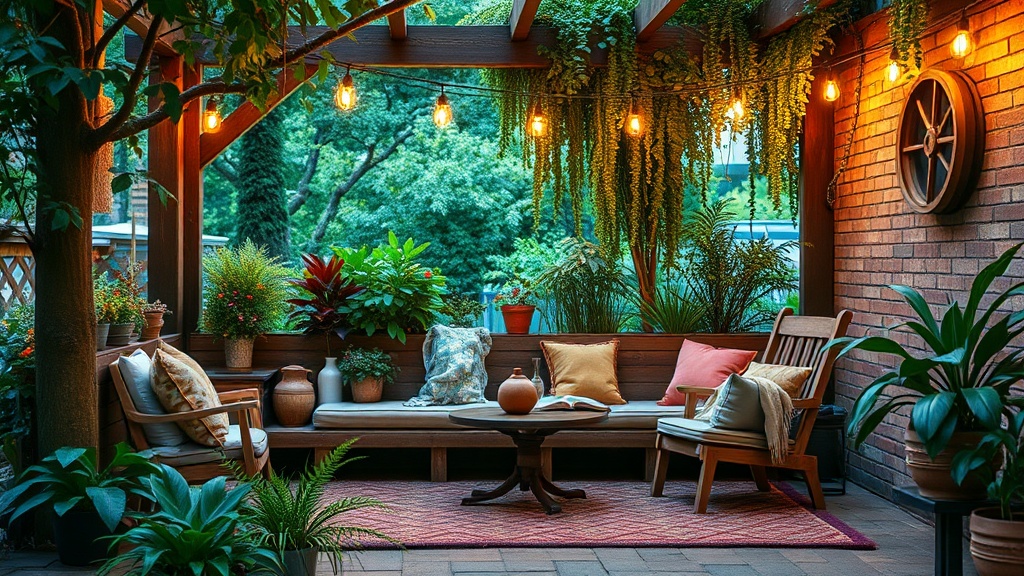
Creating a Cozy Reading Nook in Your Backyard

Have you ever looked at an empty corner of your backyard and wondered why it feels like wasted space instead of a sanctuary? This post explains how to transform a neglected patch of grass or a small patio into a dedicated reading nook through strategic seating, lighting, and weather-resistant textiles. Creating a functional outdoor reading space requires more than just a chair; it demands a thoughtful combination of ergonomics, shade management, and sensory comfort.
Most people treat their outdoor areas as mere extensions of their lawn. They buy a single patio set and call it a day. But a reading nook is different. It's a micro-environment designed for stillness. If you want to actually spend time outside with a book instead of just mowing the lawn, you need to design for comfort, not just aesthetics.
How Do I Choose the Best Outdoor Seating for Reading?
The best outdoor seating for reading is a piece of furniture that offers lumbar support and allows for various seating positions, such as curling up or reclining. While a standard dining chair is fine for a quick coffee, it won't cut it for a two-hour chapter. You need something that invites you to stay.
Consider these three main categories of outdoor seating:
- The Adirondack Chair: These are classic for a reason. The angled back is perfect for long-term lounging. If you choose a high-quality version from a brand like L.L.Bean, the wood or resin will stand up to the elements without warping.
- The Hammock: If you have two sturdy trees or a dedicated stand, a hammock is the ultimate reading tool. It provides a gentle sway that helps with focus. Just make sure your setup is secure—safety isn't something to play around with.
- The Egg Chair: These hanging rattan chairs are incredibly popular right now. They offer a sense of enclosure and privacy that makes you feel tucked away from the world.
Don't forget about the ground. If you're opting for a more low-profile setup, a thick outdoor cushion is a must. A thin pad won't save you from a hard patio surface after thirty minutes of reading.
One thing to watch out for is the "seat depth." If the seat is too shallow, you'll find yourself sliding forward constantly. If it's too deep, your legs will dangle uncomfortably. Aim for something that allows your feet to rest comfortably on a footstool or the ground.
What Kind of Lighting Should I Use for Nighttime Reading?
Nighttime reading requires soft, diffused light that won't cause glare on your pages or strain your eyes. You want enough light to see the text clearly, but not so much that you feel like you're sitting under a spotlight in a stadium.
The most effective way to light a reading nook is through layered lighting. Instead of one bright overhead light, use a combination of ambient and task lighting. For instance, string lights provide a soft glow for the general area, while a dedicated lantern can provide light for your book.
Here are a few reliable options for outdoor illumination:
- Solar Path Lights: These are great for marking the way to your nook, but they aren't bright enough for reading. Use them for ambiance.
- LED Lanterns: Brands like Barebones Living make excellent rechargeable lanterns that look great and provide a steady, adjustable light.
- String Lights: Edison-style bulbs hanging from a nearby tree or pergola create a cozy atmosphere. Just ensure they are rated for outdoor use (look for IP44 or higher on the IP rating scale).
A quick tip: if you're reading at night, a small, portable clip-on book light can be a lifesaver. It allows you to keep the surrounding lights dim, which helps preserve your peripheral vision and keeps the "mood" intact.
How Much Does a Backyard Reading Nook Cost to Build?
The cost of a backyard reading nook varies wildly depending on whether you are repurposing existing furniture or buying new, high-end pieces. You can build a highly functional space for under $200, or spend thousands on a luxury permanent installation.
| Budget Level | Estimated Cost | Typical Components |
|---|---|---|
| Budget | $50 - $150 | Existing chair, outdoor rug, string lights, and a few pillows. |
| Mid-Range | $300 - $700 | New Adirondack chair, high-quality weather-resistant cushions, and a side table. |
| Luxury | $1,000+ | Custom built-in bench, professional landscaping, and integrated lighting systems. |
If you're on a tight budget, don't overlook the power of textiles. A well-placed outdoor rug can completely change the feel of a space. If your rug gets a bit dusty or stained from the weather, you can revive your outdoor rug with baking soda to keep it looking fresh without spending a fortune on a replacement.
The real secret to saving money is sourcing. Check local marketplaces or even thrift stores for sturdy wooden furniture that can be sanded and repainted. A fresh coat of paint can make a decade-old chair look brand new.
Creating the Perfect Sensory Environment
A reading nook isn't just about the physical chair; it's about the environment. To truly lose yourself in a book, you need to minimize distractions. This means managing sound, scent, and temperature.
Sound: If your neighborhood is noisy, consider adding a small water feature. The sound of trickling water acts as white noise, masking the sound of traffic or lawnmowers. A simple stone fountain can be a cheap addition to any corner.
Scent: Plants play a massive role here. Planting lavender or jasmine near your seating area can provide a natural, calming scent. It's a much better way to "scent" a space than using artificial candles that might blow out in the wind.
Temperature: This is where most people fail. They forget that the sun moves. If you're reading in the afternoon, you'll need shade. A cantilever umbrella or a simple shade sail can prevent your reading session from being cut short by heat or glare. Conversely, if you're a morning reader, you might want a space that catches the first rays of light.
It's worth noting that your plants are part of the architecture. A dense hedge or a tall-growing ornamental grass like Miscanthus can act as a natural privacy screen, making your nook feel much more secluded and private.
Don't underestimate the power of a side table. You need a place to set your tea, your coffee, or your book when you need to stretch. A tiny, weather-resistant table prevents the inevitable "oops" moment where a drink spills on your lap because there was nowhere to put it.
The goal is to create a space where the transition from your house to your garden feels seamless. You aren't just "going outside"—you're entering a different room. A room with no ceiling, but one that is perfectly tailored to your needs.