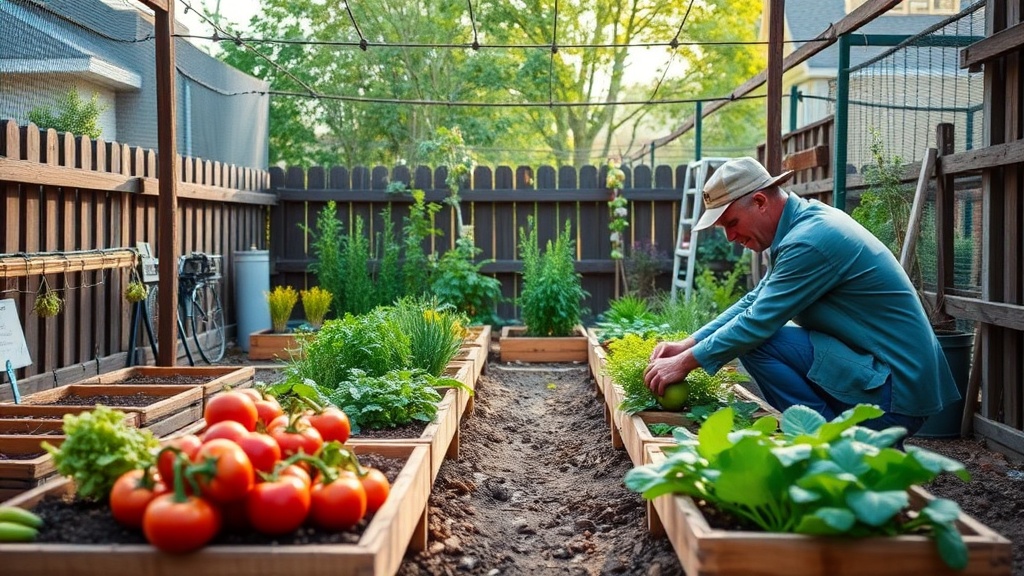
Building a Year-Round Vegetable Garden in Smaller Backyard Spaces

Small spaces don't have to mean small harvests.
Imagine walking into your backyard in the middle of a chilly October, only to find your vegetable beds are still producing crisp radishes and hearty kale. Most people assume that a small footprint limits a gardener to a single, short-lived season of production. That's a mistake. Whether you have a tiny patch of dirt between a fence and a shed or a few square feet of concrete near your back door, you can extend your growing window through smart planning and specific hardware. It isn't about having a massive farm; it's about making every square inch work harder for you.
The reality is that most urban gardens fail because they rely too heavily on the natural weather cycle. If you want to grow food consistently, you have to take a bit of control over the environment. This means looking at things like vertical structures, heat retention, and protective coverings. A well-planned small-scale setup can actually outperform a larger, unmanaged plot because you can monitor every single plant with much higher precision.
Can I grow vegetables in a small backyard area?
Yes, you absolutely can, but you need to change how you think about space. Instead of thinking horizontally—laying things out on the ground—you need to think vertically. Vertical gardening is the secret weapon for anyone dealing with a tight footprint. Using trellises, A-frames, or even hanging baskets allows you to grow heavy hitters like cucumbers, pole beans, and small squash varieties upward, leaving the ground free for low-growing greens or herbs.
When you're working with limited ground, your soil quality becomes even more important. In a large field, a single patch of poor soil might not matter much. In a small raised bed, it's everything. You'll want to focus on high-quality organic matter to ensure your plants have enough nutrients to thrive in a confined space. A good resource for understanding soil health and nutrient density is the Nolo Gardening Guides, which provides deep dives into organic growing methods.
Consider using tiered planters or even recycled wooden pallets to create different levels of planting. This adds depth to your garden and allows you to plant different things in different microclimates. For example, the bottom tier might be cooler and more shaded, perfect for lettuce, while the top tier catches more sunlight for sun-loving peppers. This layering technique maximizes your yield without needing more land.
How do I keep plants growing during colder months?
The biggest hurdle for small-scale gardeners is the drop in temperature. Most people pack up their tools at the first frost, but you don't have to. If you want to keep producing through late autumn and even into early winter, you need to look into cold frames and row covers. A cold frame is essentially a small, transparent box—often made of wood and glass or heavy-duty plastic—that sits over your garden bed. It acts like a mini-greenhouse, trapping solar heat and protecting plants from wind and frost.
If a full cold frame feels like too much work, a simple row cover (often called frost cloth) is a great alternative. It's a lightweight fabric that you drape over your plants. It lets light in but keeps the heat near the soil. This can buy you several extra weeks of growing time for hardy vegetables like spinach, arugula, and carrots. It's a low-cost way to extend your season without investing in expensive equipment.
You can also use mulch to protect your soil temperature. A thick layer of straw or shredded leaves helps insulate the ground, keeping the roots of your perennials and late-season annuals from freezing too quickly. It's a simple, natural way to manage the transition from autumn to winter. For more detailed advice on seasonal transitions, the University of Maryland Extension offers excellent resources on managing vegetable gardens through changing seasons.
What are the best crops for small-scale gardening?
Not all vegetables are created up to the task of small-space living. If you want a high return on your investment, you should focus on crops that are either high-yielding or high-value. For instance, cherry tomatoes are much more productive in a small space than large beefsteak varieties. Herbs like basil, cilantro, and chives are also incredible because they take up almost no room and can be harvested frequently throughout the year.
Here is a quick look at some of the best crops for limited spaces:
- Leafy Greens: Spinach, arugula, and loose-leaf lettuce grow quickly and can be harvested multiple times.
- Root Vegetables: Radishes are perfect because they go from seed to harvest in just a few weeks.
- Vining Plants: Peas and pole beans allow you to use vertical space effectively.
- Compact Varieties: Look for "determinate" or "bush" varieties of vegetables, which are bred to stay small and manageable.
Avoid crops that take up a massive amount of room for a single fruit, like certain types of pumpkins or large corn stalks, unless you have a dedicated corner for them. Instead, prioritize things that you can harvest incrementally. This keeps your garden productive all season long and ensures you aren't waiting months for a single big payoff.
One thing to watch out for is the density of your planting. It's tempting to cram as many seeds as possible into a small bed, but this often leads to competition for nutrients and poor air circulation. If plants are too close together, you'll run into issues with mold or pests. Always follow the spacing guidelines on your seed packets—even if it feels like you have extra room. A healthy, spaced-out plant will always produce more than a crowded, struggling one.