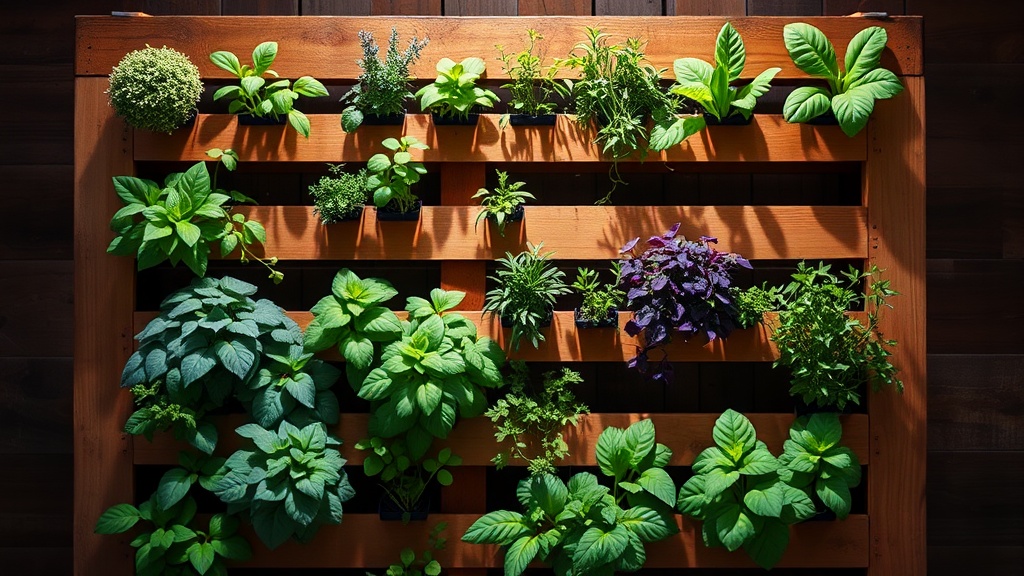
Build a Vertical Herb Garden with Upcycled Pallets

Are you running out of ground space but still want fresh basil, mint, and thyme at your fingertips? This guide explains how to construct a vertical herb garden using upcycled wooden pallets to maximize small-scale garden footprints. We’ll go through the material selection, the structural build, and the specific planting requirements for a successful harvest.
What Kind of Pallets Should You Use for Gardening?
You must use heat-treated pallets marked with the "HT" stamp to ensure your herbs aren't contaminated by toxic chemicals. Many pallets are treated with Methyl Bromide (MB), a heavy pesticide that can leach into your soil and your food. It's a mistake I see far too often in urban gardening—don't skip this check.
Check the stamps on the side of the wood. If you see an "MB" stamp, leave it alone. If it says "HT," you're good to go. These have been treated with heat rather than chemicals, making them safe for food production.
A quick way to verify wood safety is to look at the Wikipedia entry on heat treatment for wood, which details how these processes work. It’s a cheap way to avoid a massive headache later.
Once you have your pallet, you'll want to consider the wood type. Pine is common and easy to work with, but cedar is much more resistant to rot if you're planning to keep this outdoors in a wet climate. Since we're dealing with moisture and soil, durability matters.
How Much Does a Vertical Pallet Garden Cost to Build?
A vertical pallet garden typically costs between $20 and $50 depending on whether you source your materials for free or buy them new. If you find a discarded pallet on the street or behind a local shop, your primary costs will be landscape fabric, soil, and your herb seedlings. That said, if you decide to buy a pre-made wooden planter or high-end organic potting mix, the price creeps up quickly.
Here is a breakdown of the typical expenses for a DIY build:
| Item | Estimated Cost (USD) | Notes |
|---|---|---|
| Heat-Treated Pallet | $0 - $10 | Often free from local businesses |
| Landscape Fabric | $5 - $15 | Essential for holding soil in place |
| Potting Mix | $10 - $25 | Look for organic varieties |
| Hardware (Staples/Nails) | $5 | Heavy-duty grade |
Don't forget to factor in the cost of the herbs themselves. Buying seeds is cheaper, but if you want instant gratification, buying established starts from a nursery is the way to go.
How Do You Build the Vertical Structure?
You build the structure by stapling heavy-duty landscape fabric into the recessed slats of the pallet to create planting pockets. This method turns the hollow spaces of the pallet into functional containers that hold soil and roots.
First, lay your pallet flat on the ground. You'll need a heavy-duty staple gun—the kind you'd use for upholstery or heavy construction—to secure the fabric. Start at the bottom of the "pockets" (the spaces between the slats) and work your way up. You want the fabric to be tight against the wood so the soil doesn't sag or bulge awkwardly.
Once the fabric is secure, you'll need to create a backing. Most people use a sheet of plywood or a second piece of landscape fabric to seal the back of the pallet. This keeps the soil from falling out the back when you lean it against a wall. I personally prefer a thin sheet of exterior-grade plywood because it provides better structural integrity. It's a bit more work, but it prevents the whole thing from collapsing under the weight of wet soil.
Here is the step-by-step assembly order:
- Prep the wood: Sand down any rough edges to prevent splinters.
- Line the pockets: Staple landscape fabric into each horizontal slat space.
- Seal the back: Attach a backing material to ensure no soil leaks out.
- Test the weight: Press on the fabric to ensure there are no holes.
- Mount the unit: Lean it against a sturdy wall or secure it with brackets.
Once the structure is ready, it’s time to fill it. Use a high-quality potting mix rather than garden soil. Garden soil is too heavy and dense; it will compact and drown your herbs. You want something airy that allows for drainage.
If you're interested in improving your soil quality before you even start, you might want to look into nourishing your garden through composting. It's a great way to ensure your herbs have the nutrients they need from day one.
Which Herbs Grow Best in Vertical Containers?
Herbs with shallow root systems, such as basil, mint, parsley, and chives, perform best in vertical pallet gardens. Because the "pockets" in a pallet are relatively shallow, you can't grow heavy root vegetables or large-scale plants like rosemary or lavender easily. You need plants that won't outgrow their space within a single season.
Mint is a bit of a wildcard. It spreads aggressively and can actually choke out other plants in the same pallet. I recommend giving mint its own dedicated section or even its own separate pot nearby. It's a bit of a space hog (not that I'm complaining about the flavor, but it's a reality of growth).
Consider the sunlight requirements for each herb. Most Mediterranean herbs like Thyme and Oregano love full sun. If your pallet is going on a shady side of the house, stick to things like Parsley, Cilantro, or Chives. It's a simple rule of thumb: match the plant to the light you actually have.
When planting, don't overstuff the pockets. Leave a little room for the plant to breathe. If the leaves are constantly rubbing against each other, it can lead to rot or pest issues. A little breathing room goes a long way.
One thing to keep in mind is water management. Vertical gardens dry out much faster than traditional ground gardens. Because the soil is elevated and the volume is small, the moisture evaporates quickly. You'll likely need to water your pallet garden more frequently than a standard garden bed. If you can, a simple drip irrigation setup or a consistent morning watering routine will save your herbs during a heatwave.
If you find that your vertical garden is actually a bit too much work to maintain, you might find more success with traditional ground beds. But for the small-space urban dweller, this is one of the best ways to add greenery without sacrificing floor space.
After you've finished the build, make sure to secure it properly. A wet pallet full of soil is heavy. If you don't use proper brackets or a sturdy wall, the whole thing could tip. I've seen a few of these fall over in high winds, and it's a mess to clean up. Use a heavy-duty mounting system to keep your herbs upright and safe.
Steps
- 1
Prepare and Sand the Pallet
- 2
Line the Back and Bottom with Landscape Fabric
- 3
Secure the Fabric with a Staple Gun
- 4
Fill the Pockets with Potting Mix
- 5
Plant Your Favorite Herbs