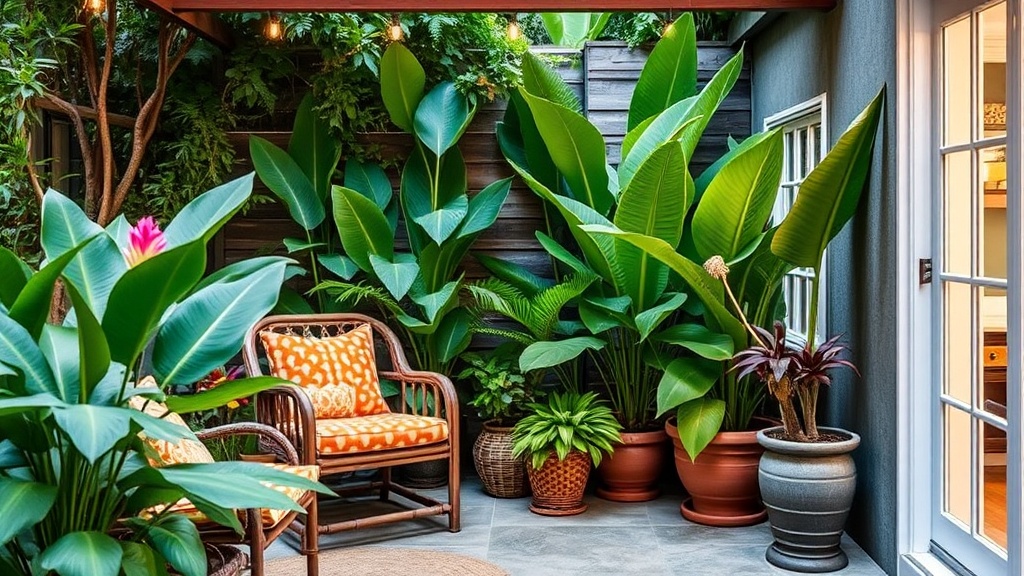
7 Low-Maintenance Tropical Plants for Your Patio Oasis

The Architectural Majesty of Monstera Deliciosa
Elegant Bird of Paradise
Resilient Croton Varieties
Classic Majesty Palms
Trailing Golden Pothos
Striking Caladiums
Hardy Bromeliads
Do you want a lush, tropical-looking patio without spending every weekend troubleshooting dying leaves? This guide covers seven specific tropical plants that thrive on neglect and how to keep them looking healthy on your outdoor patio. Choosing the right greenery is about matching the plant's needs to your actual lifestyle—not your idealized version of yourself.
Which Tropical Plants Are Easiest to Grow Outdoors?
The easiest tropical plants to grow outdoors are those with thick, waxy leaves or those that naturally grow in high-humidity environments. These plants, such as the Bird of Paradise or Snake Plant, are built to withstand fluctuating conditions. If you aren't a professional gardener, you want plants that don't require daily pampering.
I've spent a lot of time testing what survives a Detroit summer versus what dies the moment I look away. Most people fail because they pick something too finicky. You need "set it and forget it" plants.
1. Bird of Paradise (Strelitzia reginae)
This is the heavy hitter of the tropical world. It looks expensive and high-end, but it's actually quite sturdy. It loves sun, but it won't throw a tantrum if it gets a little shade during the hottest part of the afternoon.
The leaves are massive and architectural. They provide a sense of scale that smaller plants just can't match. Just be aware—these can get big. If you're working with a small balcony, you might want to stick to the Strelitzia nicolai variety only if you have the space for its height.
2. Areca Palm
If you want that classic "vacation vibe," the Areca Palm is your best bet. It grows in clumps of fronds, which makes it look much fuller than a single-stem palm. It’s a great way to add height to a corner of your patio.
It does need a bit of water, but it isn't a total diva. It prefers bright, indirect light. If you put it in direct, blistering sun without enough water, the tips might turn brown. That's a common issue (and totally fixable with a bit of liquid fertilizer).
3. Snake Plant (Sansevieria)
Wait, isn't this an indoor plant? Yes, but many varieties thrive outdoors in warmer climates or as potted accents during summer. It is nearly impossible to kill. You can literally forget to water it for a week, and it won't care.
It’s perfect for people who travel or just don't want to deal with a watering schedule. It adds a vertical, modern look to your patio decor. I often suggest these for people who are just starting to build out their backyard patio layout because they add structure without the fuss.
4. Elephant Ear (Colocasia/Alocasia)
These plants are all about the leaves. The leaves are huge, heart-shaped, and incredibly dramatic. They make a massive statement in a container. If you want your patio to feel like a jungle, this is the plant to use.
They love moisture. Unlike the Snake Plant, these guys want to stay damp. If you see the leaves drooping, they're thirsty. It’s a pretty clear signal—no guesswork required.
5. Cordyline (Ti Plant)
If you need color, look at the Cordyline. Most tropical plants are just green, but these offer deep purples, reds, and pinks. They add a pop of color that doesn't require flowers to be interesting.
They are quite hardy and can handle a bit of wind, which is helpful if your patio is on a high floor. They also look great in terracotta pots. The colors stay vibrant as long as they get enough light.
6. Hibiscus
Hibiscus gives you the "tropical flower" look. It’s a classic for a reason. You get big, bright blooms that make a patio feel like a resort. It’s a bit more demanding than a Snake Plant, but it’s worth the effort for the color.
The trick with Hibiscus is the soil. It likes to be well-drained but stays hungry for nutrients. Use a high-quality organic fertilizer to keep the blooms coming. It’s a simple trade-off: a little more feeding, a lot more beauty.
7. Bromeliads
Bromeliads are great because they are compact. They aren't going to take over your entire patio, but they add texture and bright color. They are also quite resilient to different light levels.
They actually store water in their central "cup," which is a pretty clever evolutionary trick. This makes them a great choice for people who might miss a watering session here and there. They are also a staple in many botanical collections worldwide due to their hardiness.
How Much Water Do Tropical Plants Need?
Tropical plants generally require more frequent watering than desert plants, but the exact amount depends on the specific species and your pot size. Most tropicals want the top inch of soil to feel dry before you soak them again.
Don't just follow a strict calendar. A weather-based approach is much better. If it's a humid, cloudy day, you won't need to water as much as you would on a hot, dry Tuesday. It's a simple observation that saves a lot of money on dead plants.
| Plant Name | Light Requirement | Watering Frequency | Main Benefit |
|---|---|---|---|
| Bird of Paradise | Full Sun/Partial | Moderate | Dramatic Height |
| Areca Palm | Bright Indirect | Regular | Classic Vibe |
| Snake Plant | Low to High | Low | Hard to Kill |
| Elephant Ear | Partial Shade | High | Huge Leaves |
| Cordyline | Full Sun/Partial | Moderate | Colorful Foliage |
What Are the Best Fertilizers for Tropical Plants?
A balanced, water-soluble fertilizer applied once a month during the growing season is usually sufficient for most patio tropicals. You want something that provides both nitrogen for leaves and potassium for root strength.
I've found that using a liquid seaweed extract or a standard product from a brand like FoxFarm works wonders. It's not about being fancy; it's about giving the plant what it needs to grow. If you're using containers, remember that nutrients leach out of the soil much faster than they do in the ground. This is why your plants might look a bit "tired" after a few months.
One thing to watch for: don't over-fertilize. Too much nitrogen can actually burn the roots. It's better to under-do it than to go overboard. If the leaves look yellowish, it's a sign they're hungry. If they look burnt, you've given them too much.
If you find that your patio is a bit dark, you might want to look into ground covers for shady corners to see how plants behave in lower light. It's a good way to understand the light levels you're working with. Most tropicals are light-hungry, so keep that in mind when placing your pots.
When you're setting up your space, think about the verticality. A lot of these plants, like the Bird of Paradise or the Areca Palm, draw the eye upward. This makes a small patio feel much larger than it actually is. It creates a sense of enclosure that makes the space feel private and intentional.
I often suggest pairing these with different textures. A smooth-leafed Snake Plant next to a ruffled-edge Elephant Ear creates visual interest. It's the contrast that makes a garden look professional. You don't need a massive budget to make this happen; you just need to think about the shapes you're putting together.
One final tip: keep an eye on your drainage. If you're using decorative pots that don't have holes in the bottom, you're asking for trouble. Water will pool at the bottom, rot the roots, and kill the plant. Always use a nursery liner with drainage holes inside your decorative pot. It's a small step that prevents a huge headache later.